20 November 2019 · as Sebastian Rappen
Here is a real-life business challenge
Originally published on LinkedIn
Here is a real-life business challenge
Sebastian Selman
Published Nov 20, 2019
If you were to help a small "people´s knowledge center" on the islands of the Ganges delta to reimagine their business-model: What would be your suggestion? Put down your ideas in the comments. I will randomly pick somebody amongst all of you who contribute and send you a glass of Sundarban honey, which is being produced in exactly that "people´s knowledge center".
As part of my trip to India I had the pleasure to sit together with the SOCEO India team and discuss with them how Human Cented Design and Design Thinking could help them in their different projects. We covered topics ranging from deforrestation & drinking-water-scarcity to reducing plastic waste and improving the menstrual hygiene amongst women in rural areas. The topic we discussed last led to a small ideation session - and because I enjoyed the discussion so thoroughly I thought it would be brilliant to open up the discussion to the community here on LinkedIn:
How might we leverage the resources available to the "people´s knowledge center" to create new value propositions and business?
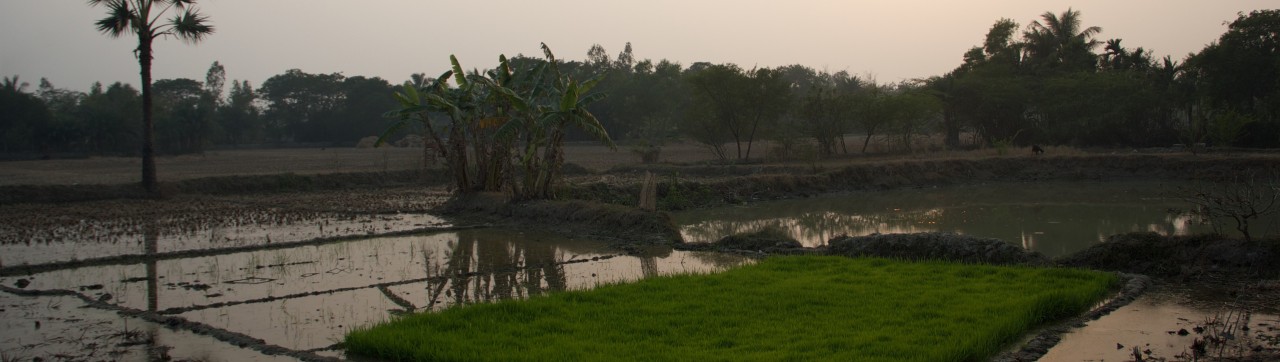
The people´s knowledge center was initially founded 3 years ago to in the Sundarbans to support the local community in their socio-economic development. That was after the genetically-modified high yield rice varieties had swept through the area and proven themselves to be not only high yield, but also highly succeptible to certain fungi and highly dependent on vast amounts of chemical fertilizer. Besides providing training around organic farming and diversifying the present agricultural landscape alternative income sources were opened to the community including bee-keeping and the production of honey as well as the cultivation and commercialization of certain (amazingly tasty) local spices.
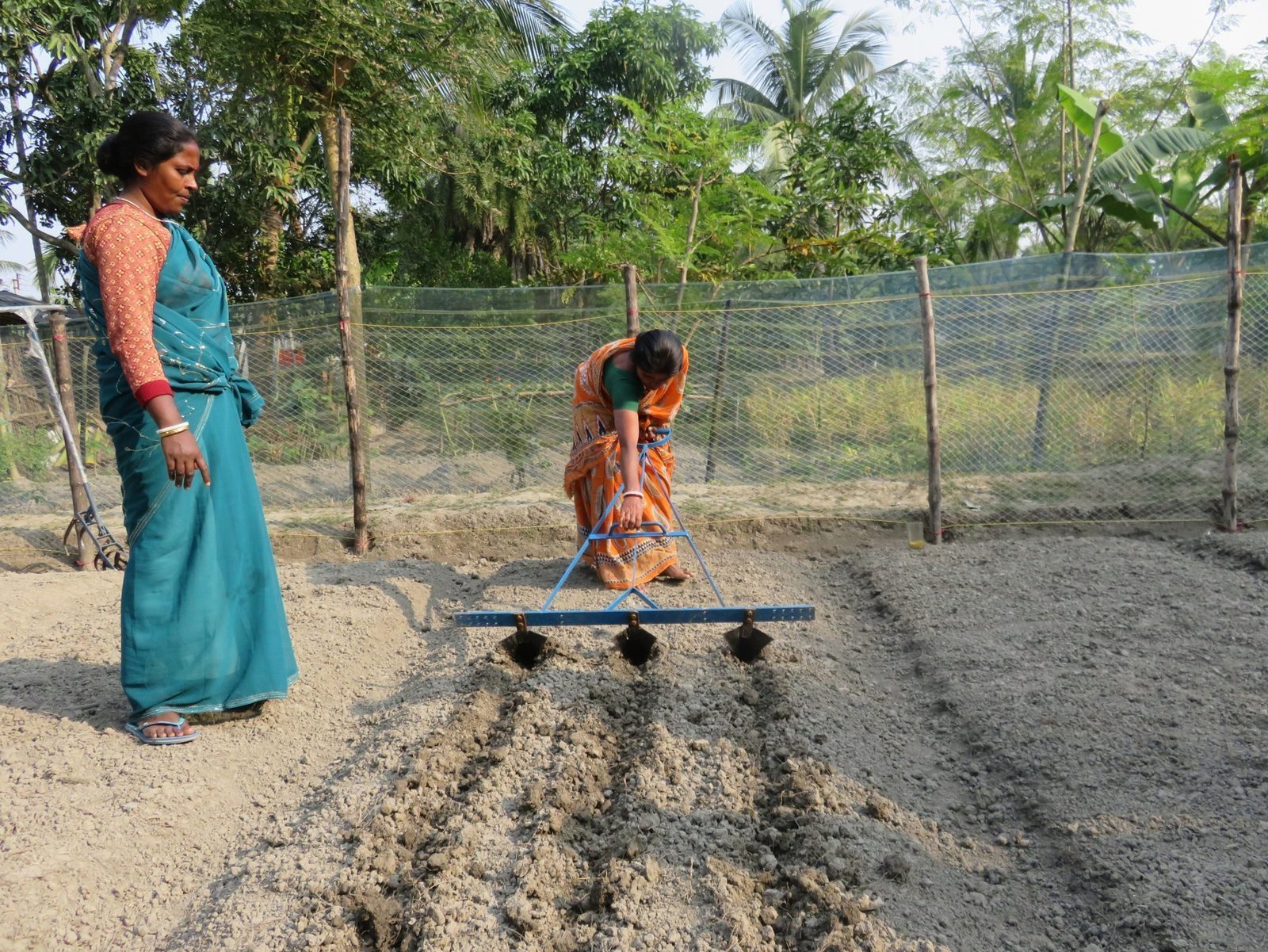
Nowadays the center offers:
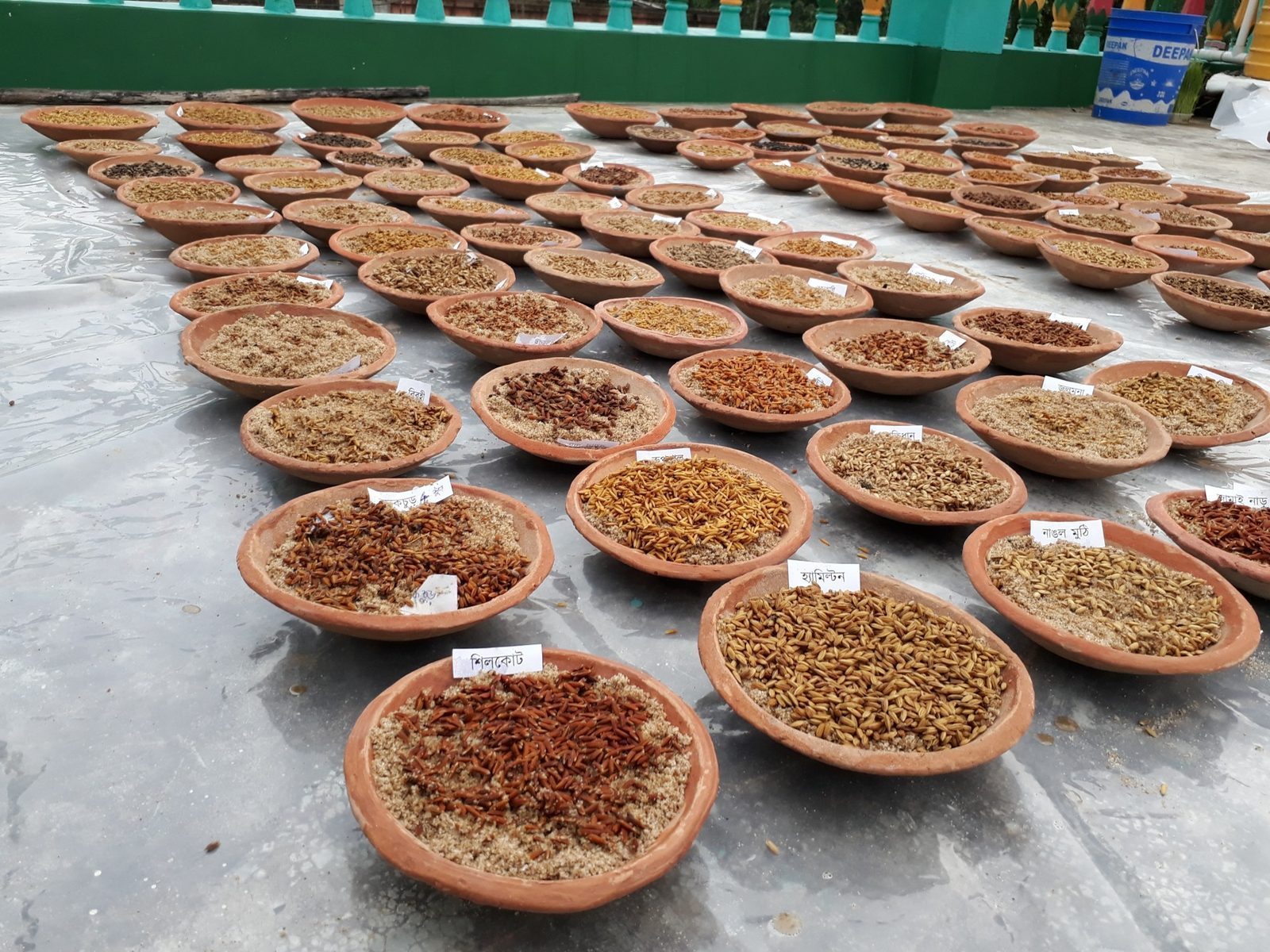
- a seedbank protecting more than 120 indigineous rice varieties
- a machine to extract honey from the combs and bottle it
- a machine to de-husk rice
- a spice mill
- access for the farmers to a local business that specialized in serving the population of Kolkata organic, indigenous variety of rice, honey & spices transitioning the entire project into a viable business for the local farmers.
The farmers were able to improve their livelihood by selling higher value products e.g. by milling the spices or de-husking the rice with the help of the machines in the knowledge center, furthermore the re-introduced bio diversity increases the robustness of their business. The farmers are somewhat dependent on the knowledge-center as physical place closeby, to add value to their produce and directly access the Kolkata market without paying intermediaries - and therefore it is desirable to keep the knowledge center running. At the same time the fee being charged by the knowledge center for using the machines etc. is not sufficient to cover the cost of running the place.
The Sundarbans, in which the center is located, are close to Kolkata, which is not a touristic hot-spot in India - however: Whoever visits Kolkata as a tourist might visit the Sundarbans to see the mangroves, to spot a wild tiger or simply enjoy the tasty local kitchen and enjoy the nature.
So, what are your ideas? How could we add some sustainable business to the knowledge center? I encourage you to voice wild ideas and want to thank you in advance for your contributions.